REVIEW · CHIANG MAI
Chiang Mai: Doi Suthep Temple & Hmong Village Tour
Book on GetYourGuide →Operated by Joinusthai · Bookable on GetYourGuide
Chiang Mai from above is the point here. This 4-hour outing strings together Wat Phrathat Doi Suthep and a Hmong hill tribe village, with a scenic drive that sets you up for temple views and highland culture.
What I like most is the temple experience itself: the golden pagoda at Doi Suthep and the storytelling you get along the way, especially with guides like Taya, who can connect the dots beyond what you’ll notice on your own. I also love the practical payoff of the stop at the top, where the viewpoint gives you a real sense of Chiang Mai’s size from a 3,520-foot (1,056 m) lookout.
One thing to consider: the Hmong village visit can feel shopping-forward and time-tight, so if you prefer slow browsing (or sitting and watching daily life), you’ll want to manage your expectations and pace yourself.
In This Review
- Key things to know before you go
- Wat Phrathat Doi Suthep: golden pagoda, Naga stairs, and real Lanna character
- Cable car vs 306 steps: choosing the hike that matches your body
- The 3,520-foot viewpoint: Chiang Mai’s best angle without the all-day trek
- The Hmong village visit: culture and clothing, plus shopping time that can feel fast
- Price and timing: what $22 buys you in a 4-hour format
- Pickup zones and the logistics that make or break a morning
- Who should book this tour (and who should choose something else)
- Should you book this tour? My practical take
- FAQ
- How long is the Chiang Mai: Doi Suthep Temple & Hmong Village Tour?
- What is included in the price?
- Where does pickup happen, and when?
- How do you reach the top of Wat Phrathat Doi Suthep?
- Is there an extra ticket cost at the Hmong village?
- What should I bring or avoid?
Key things to know before you go
- Golden pagoda + Lanna-style details at Wat Phrathat Doi Suthep, plus engraved gold plates and ornamental umbrellas
- 3,520-foot viewpoint for big panoramas over Chiang Mai from the mountain top
- Cable car OR 306 Naga-stair climb from the bottom, with a dragon-headed serpent (Naga) along the way
- Guided Hmong village visit focused on culture and traditional clothing, with optional museum access (20 Baht)
- Respectful dress rules (short skirts and sleeveless tops not allowed), and no large bags
Wat Phrathat Doi Suthep: golden pagoda, Naga stairs, and real Lanna character
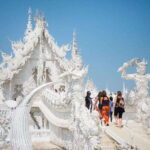
If you only visit one temple in the Chiang Mai area, Doi Suthep is usually the one. The draw is the golden pagoda of Wat Phrathat Doi Suthep, covered with engraved gold plates and framed by ornamental umbrellas in a style tied to Lanna architecture. Even before you get the full viewpoint, you feel like you’re entering a sacred, carefully designed space, not just a viewpoint with a temple attached.
You’ll also get a guided explanation that helps you read what you’re seeing. This matters because a lot of people arrive, snap photos, and then move on. With a licensed English guide, you can catch what the temple’s elements mean and why the layout looks the way it does. And based on guide feedback you’ll hear in the field, Taya is one example of someone who can make the story click without turning it into a lecture.
Dress and behavior are worth thinking about here. The tour restricts short skirts and sleeveless shirts, and it’s a temple setting, so keep your voice low and your movement respectful. Comfortable clothing you can walk in beats “cute but stiff.”
You can also read our reviews of more tours and experiences in Chiang Mai.


Cable car vs 306 steps: choosing the hike that matches your body
Getting to the top is your call. From the bottom, you can take the cable car or climb the famous 306 steps. If you like a steady, scenic walk, the stairs are an experience. They’re decorated with the mythical Naga, the dragon-headed serpent, snaking down the route as you climb.
If you want to conserve energy for the rest of the day, the cable car is the easy win. This tour runs about 4 hours total, so you don’t want to burn your legs early and then rush through the best parts.
Practical tip: if you choose the stairs, wear non-slippery shoes and plan on going at your pace. The stairs are iconic, but they’re still stairs—especially in warmer weather. If you choose the cable car, you’ll still get temple time at the top, so you won’t feel like you “missed” the main event.
The 3,520-foot viewpoint: Chiang Mai’s best angle without the all-day trek
The payoff at Doi Suthep isn’t only the pagoda. It’s the viewpoint—at 3,520 feet (1,056 meters)—where you can see Chiang Mai laid out below. This is the moment the day usually clicks: you stop thinking in neighborhoods and start thinking in scale.
From up here, the city feels organized and readable. You can pick out how wide the area sprawls, and you get a better mental map for the rest of your time in Chiang Mai. It also helps with photo timing: if you’re shooting, aim for a steady, unhurried scan of the horizon first, then start your photos once you know what you’re framing.
One more thing: viewpoints can get busy. Keep an eye on your guide’s timing so you’re not stuck waiting around while the group moves on. You want just enough time to look slowly, but not so long that you miss the next stop.
The Hmong village visit: culture and clothing, plus shopping time that can feel fast
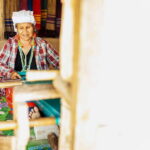
After the temple and viewpoint, the tour heads to a Hmong hill tribe village for a guided visit of about 40 minutes. This is where the trip shifts from city-and-temple to highland life. The focus is on everyday culture: how residents live, and what makes their traditional clothing and handiwork recognizable.
You’ll see residents in colorful clothing, and you’ll likely have opportunities to ask questions through the guide. This is also where shopping becomes part of the visit. You can browse and bargain for textiles, ornaments, and handicrafts.
Here’s the balanced reality check: the village stop can feel short, and the “market” feel can be stronger than the “sit and watch daily life” feel. Some people want more time to shop without feeling watched or rushed. If you’re picky about browsing, go in with a plan:
- Decide what you’re looking for before you arrive (a scarf, a small ornament, something you can price-check).
- Ask your guide about how much time you realistically have for shopping.
- Keep your spending honest and small if you’re unsure what’s fair.
There’s also an optional extra: a museum ticket at 20 Baht. It’s listed as optional, so you can skip it if your priority is conversation and craft browsing.
One encouraging detail from real-world experiences: guides on this route can be genuinely helpful with small problems. For example, Taya was described as kind and practical when a guest needed help handling optional village entry after forgetting cash. It’s a reminder that good local guides can smooth the rough edges of a short stop.
Price and timing: what $22 buys you in a 4-hour format
For around $22 per person and about 4 hours, you’re paying for three things: convenience, guided context, and the logistics that would take longer to manage on your own.
Hotel pickup and drop-off within downtown are included, which is a big deal in Chiang Mai. The tour also includes the Wat Phrathat Doi Suthep ticket and the cable car, plus a licensed English guide. Travel accident insurance is part of the package too. In short: you’re not just buying access—you’re buying a structured day that saves time.
The trade-off is that you don’t get hours and hours at the village or a long, slow temple exploration. The schedule is built to fit the highlights into a compact morning-to-lunch window. If you want a relaxed pace, this kind of tour can feel like you’re moving from “wow” to “wow” quickly. If you want the main sights without fuss, it’s a strong value.
Also consider the add-ons. The optional museum ticket (20 Baht) is small, but it can nudge your overall budget. You’ll also have personal expenses if you shop, and that’s the part you control.


Pickup zones and the logistics that make or break a morning
This tour is designed for convenience, but it depends on your pickup area. Pickup times vary:
- 8:00–8:30 am for the Night Bazaar and Old Town areas
- 8:30–9:00 am for Santitham and Nimman areas
So your early plan should be flexible. If you’re staying near the core, you’re likely easier to pick up. If you’re farther out, you’ll want to confirm your exact pickup window.
You can get free pickup from Old Town, Night Bazaar, Nimman Haemin, and some Santitham. One practical limitation: pickup isn’t provided for Airbnbs with only an address—there needs to be a business name, or you should select a nearby building that you can find on Google Maps.
Drop-off locations are listed as McDonald’s (Chiang Mai) and 맥도날드 임호텔-타패점. That means you’ll be handed off near familiar points, not out in the middle of nowhere.
What to bring is straightforward, but don’t skip it:
- Comfortable shoes
- Sunscreen
- Water
- Camera
You also can’t bring pets, luggage or large bags, and the outfit rules matter. Keep that in mind if you’re traveling light but not careful with clothing.
Who should book this tour (and who should choose something else)
This is a great fit if you:
- Want a temple + city viewpoint + cultural stop without planning transport
- Like guided context at places that can otherwise feel like photo stops
- Appreciate a structured morning and a return before your afternoon gets eaten up
It might not be the best fit if you:
- Want lots of free time to browse the Hmong village market at your own speed
- Prefer a slower, more conversational experience over a compact visit
- Have a very specific interest that needs longer than about 40 minutes in one place
One more note: the tour is wheelchair accessible, and it’s listed as meeting the needs of guests using wheelchairs (with restrictions noted for non-folding wheelchairs). If you’re traveling with mobility needs, check your chair type ahead of time so you’re not surprised by equipment rules.
Should you book this tour? My practical take
Book it if you want the signature Wat Phrathat Doi Suthep experience—gold pagoda, Naga stairs or cable car, and a real viewpoint—then you also want a guided taste of Hmong village life before you move on with the rest of your Chiang Mai trip.
Skip or reconsider if your top priority is a long, unhurried village visit and deep market time. In this format, the village stop can feel tight, and the shopping element may shape how the time feels on the ground.
If you do book, go in smart: wear respectful clothes, bring good shoes, and decide ahead of time whether you’re using the cable car or taking the stairs. Then, when you arrive at the village, be clear about what you want to do with your limited time—browse calmly, ask questions, and avoid overcommitting before you’ve compared a couple of stalls.
FAQ
How long is the Chiang Mai: Doi Suthep Temple & Hmong Village Tour?
The tour lasts about 4 hours.
What is included in the price?
You get hotel pickup and drop-off within downtown, a licensed English tour guide, Wat Phrathat Doi Suthep ticket, the cable car, and travel accident insurance.
Where does pickup happen, and when?
Pickup is available in Night Bazaar and Old Town (8:00–8:30 am) and in Santitham and Nimman (8:30–9:00 am). Pickup is free from specific downtown areas; the exact meeting point can vary by option.
How do you reach the top of Wat Phrathat Doi Suthep?
From the bottom, you can take the cable car or climb the 306 steps.
Is there an extra ticket cost at the Hmong village?
Yes. There may be a museum ticket (20 Baht), listed as optional.
What should I bring or avoid?
Bring comfortable shoes, camera, sunscreen, and water. Avoid pets, luggage or large bags, short skirts, and sleeveless shirts (also non-folding wheelchairs/strollers and unaccompanied minors are not allowed).