REVIEW · CHIANG MAI
Chang Mai: Doi Inthanon Day Tour w/Waterfalls & Hilltribes
Book on GetYourGuide →Operated by Chiang Mai Footsteps Travel · Bookable on GetYourGuide
Doi Inthanon hits hard in one day. I like how this tour stacks waterfalls and pagodas with real Northern Thailand culture, not just “drive-by photos.” The one thing to plan for is weather: when clouds roll in, views at higher spots (and sometimes the pagodas) can look hazier than you hoped.
My other favorite part is the pacing. You get a short nature walk at altitude, plenty of photo stops, and a local lunch without turning the day into a sprint. Still, it’s a full-day road trip, so if you hate van time or you want total freedom to linger, keep that in mind before you book.
In This Review
- Key takeaways before you go
- Why Doi Inthanon Is Worth a Full Day From Chiang Mai
- Morning Logistics: Pickup Options and the Real Meaning of an Early Start
- Ang Ka Trail and Thailand’s Highest Peak: Views Depend on the Sky
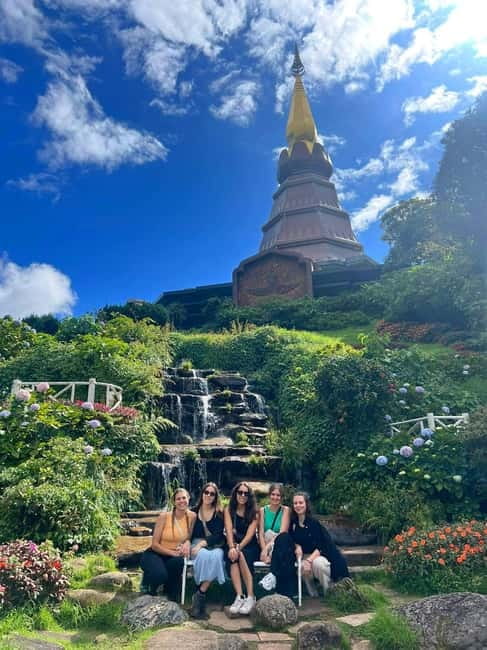
- King’s and Queen’s Pagodas: Architecture Meets Weather
- Hilltribe Market Time: Hmong Village Market and What to Expect
- White Karen Coffee Plantation: A Tasting That Actually Feels Like Learning
- Waterfalls at Sirithan and Wachirathan: The Afternoon Payoff
- Lunch and Group Pace: Why Small Size Helps
- What to Pack for Doi Inthanon’s Cooler Air
- Value Check: Is This $61 One-Day Tour Worth It?
- Who Should Book This Tour (and Who Might Want Something Else)
- Should You Book This Tour?
- FAQ
- How long is the Doi Inthanon day tour from Chiang Mai?
- What time does the tour start?
- Where is the meeting point?
- What’s included in the price?
- What are the main activities on the tour?
- What should I bring for this trip?
- Can I get a refund if my plans change?
Key takeaways before you go
- Two major waterfalls: Sirithan and Wachirathan are big pulls, and you’ll usually get at least one great waterfall moment even if conditions change.
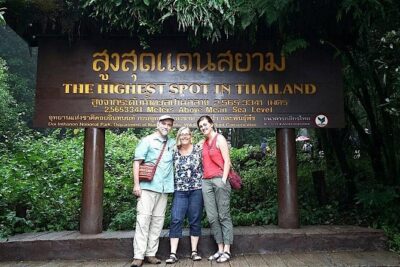
- Thailand’s highest peak (2,565 m): Ang Ka area walking plus big sky views when the weather cooperates.
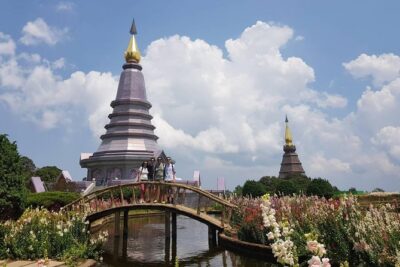
- King’s and Queen’s Pagodas: Beautiful architecture, and they’re especially worth it when you can see the surroundings clearly.
- Hilltribe market time: Hmong village market adds culture, crafts, and a chance to chat with locals.
- White Karen coffee plantation stop: You’ll learn the coffee process and taste a freshly brewed cup.
- Small group vibe (up to 12): Easier conversations with your English-speaking guide, plus a safer-feeling pace on mountain roads.
Why Doi Inthanon Is Worth a Full Day From Chiang Mai
Doi Inthanon is Thailand’s highest peak area, and that altitude is the whole point. As you head north and climb, the air feels different fast—cooler, crisper, and greener. This tour strings together the main reasons people come: serious views, iconic pagodas, waterfall scenery, and hilltribe culture.
What I like best is how the day balances nature and people. You’re not stuck in one mode the whole time. You get walking breaks for the scenery, then you switch to cultural stops (markets and villages), and you finish with the kind of payoff Northern Thailand is famous for: big waterfall moments and a calm ride back down.
You can also read our reviews of more tours and experiences in Chiang Mai.



Morning Logistics: Pickup Options and the Real Meaning of an Early Start
You’ll start in the morning (pickup is optional, typically between 8:00 and 8:30 AM). If your hotel offers pickup, you’ll wait in the lobby at that time. If not, the meeting point is Baan Meesuk in Chiang Mai’s old town.
This early start matters more than it sounds. First, Doi Inthanon is a long drive from Chiang Mai, and the roads take time. Second, the higher-altitude stops are weather-sensitive, so you want to be there while there’s still a chance of clear visibility.
A few practical notes:
- Bring hiking shoes. Even when it’s called a short stroll, footing at higher spots can be slick.
- Pack sunscreen and sunglasses. Sun can be strong, even when it feels cooler.
- Wear layers. The tour info is right: temperatures can drop at higher altitudes.
Also, the van ride is part of the experience, in the sense that you’ll be awake and moving all day. One review praised the driver’s mountain-road safety, which is a comfort when you’re on curvier routes for hours.
Ang Ka Trail and Thailand’s Highest Peak: Views Depend on the Sky
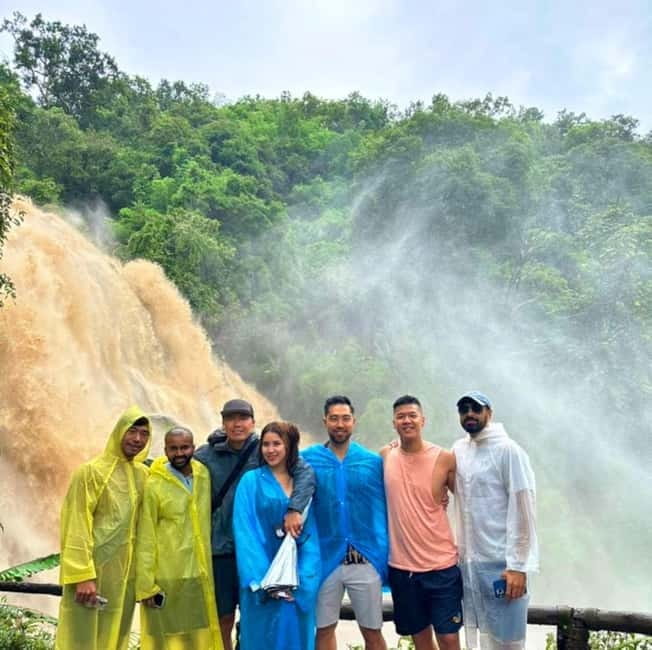
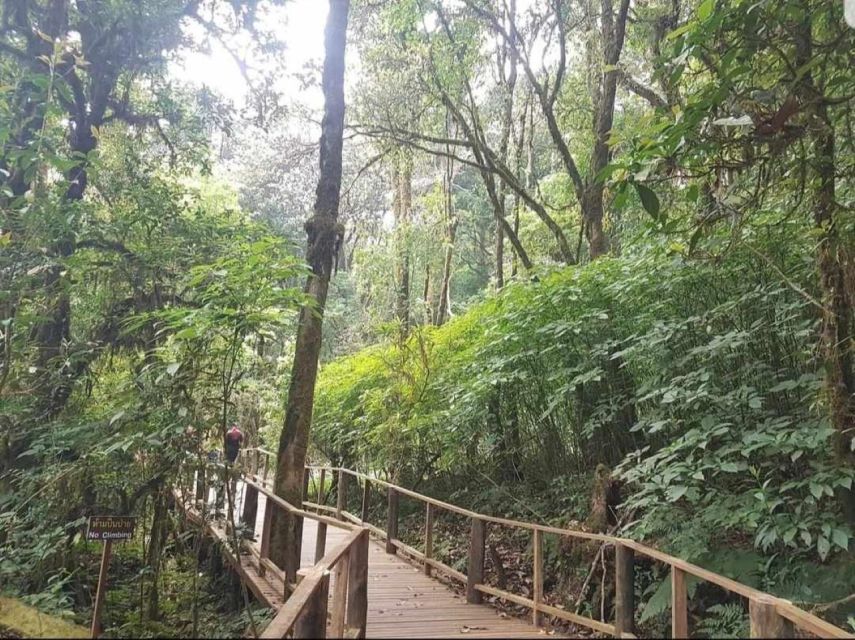
The tour heads up toward Thailand’s highest peak area, at 2,565 meters. Once you’re there, the scenery shift is immediate. Your lungs notice it. The air feels sharper, and the forest looks greener than what you see in the city.
You’ll also get a walk along the Ang Ga trail. The best way to think of this: it’s not a “walk all day” hike. It’s a chance to stretch your legs, get a little nature air, and see how the park looks up close. If you’re even mildly active, you’ll enjoy this more than you might expect.
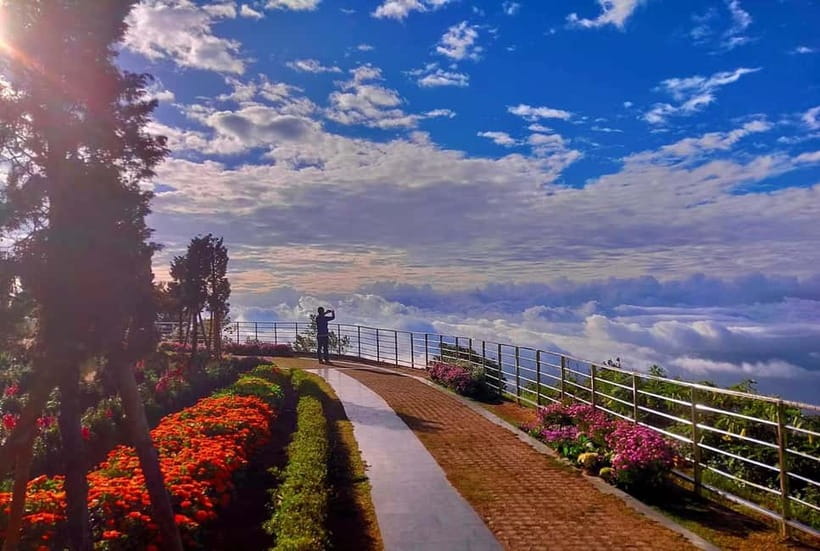
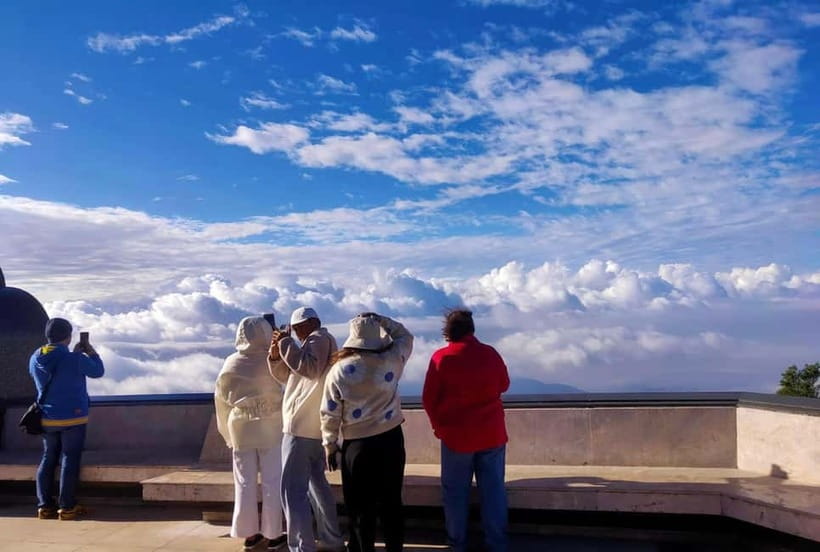
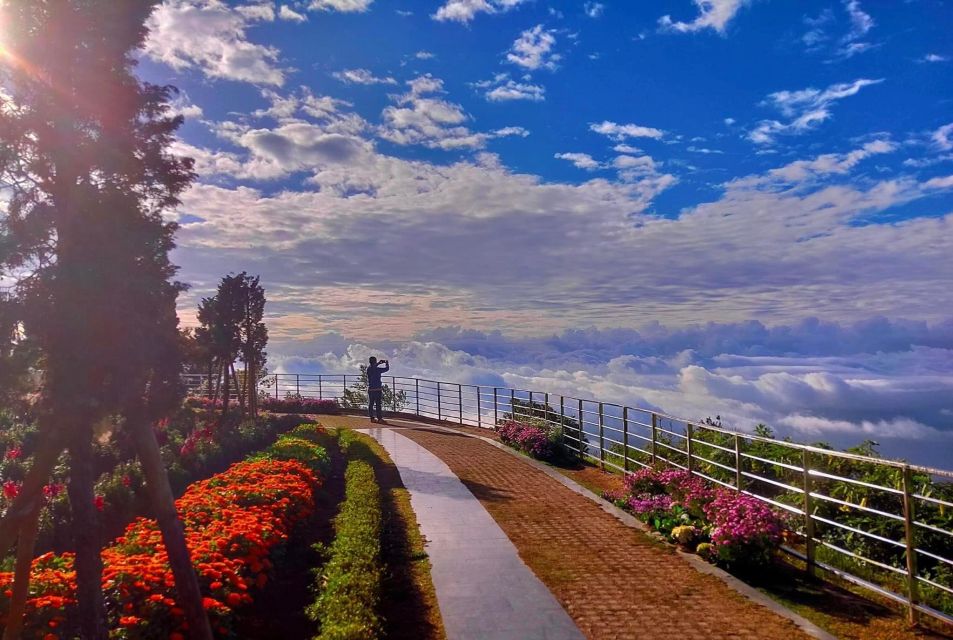
The view part is where weather enters the story. Some people end up with foggy, soft light that turns the jungle into a surreal scene. Others get clearer panorama views. Either way, you’ll feel like you’ve reached the “higher Northern Thailand” version of reality.
What to do with that: bring your camera, but also put your phone away for a few minutes. The first time you look out over the clouds, you’ll understand why.
King’s and Queen’s Pagodas: Architecture Meets Weather
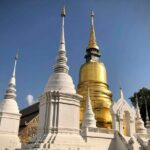
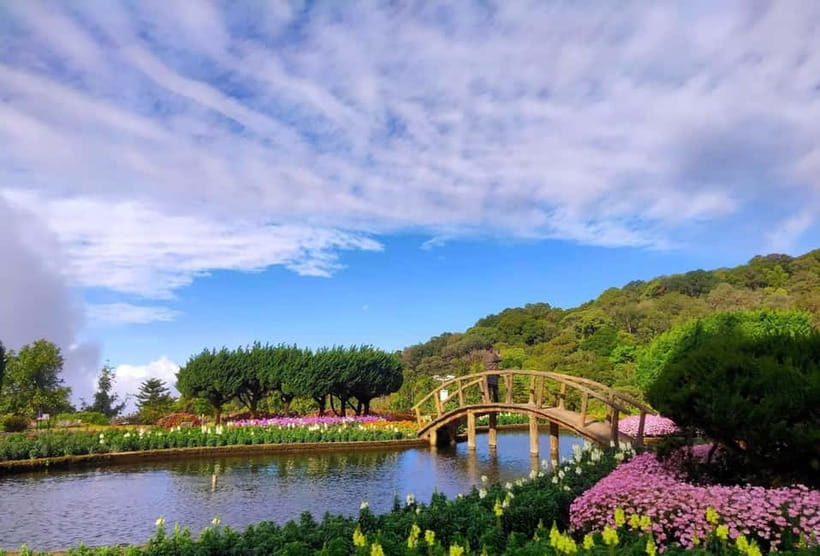
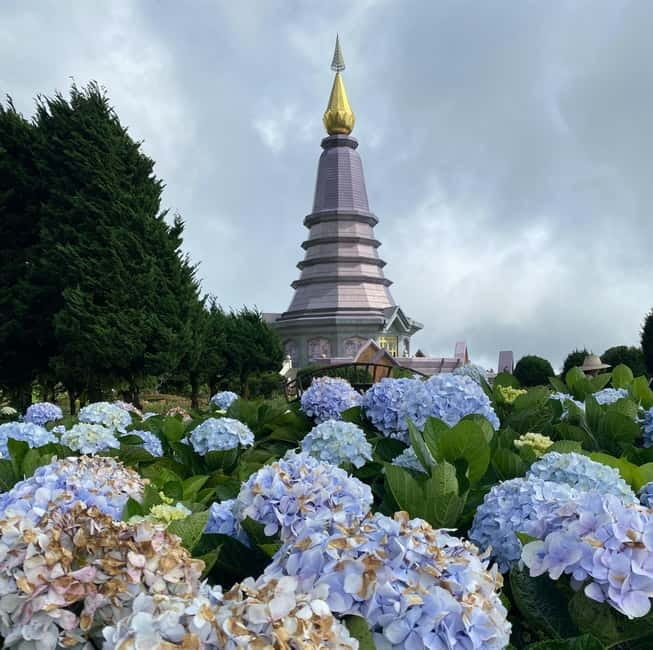
Next up are the King’s and Queen’s Pagodas. These aren’t just random stops. They’re a strong visual anchor for the day, with distinct design that reflects Thai royal-era religious and cultural symbolism.
This is also another weather checkpoint. When skies are clear, the pagodas feel like an unbeatable photo moment because you can see the surroundings. When clouds are heavy, you may get more limited views, and the mood turns more atmospheric than panoramic.
One thing I appreciate about including the pagodas in a one-day plan: they give you a cultural pause between the physical climb and the waterfall afternoon. Your brain gets a rest. Your eyes get something new. And you’re back on track for the nature payoff later.
If you want photos, don’t assume you’ll have perfect lighting. Plan to shoot from a couple of angles, but also enjoy the structure up close. The details are often more interesting than the distance views when the weather shifts.
Hilltribe Market Time: Hmong Village Market and What to Expect
After the pagodas, the tour goes toward hilltribe culture with a visit to the Hmong village market. This is where the day becomes less about landscapes and more about people and everyday life—crafts, snacks, small stalls, and conversations.
A market stop can be hit-or-miss depending on what you want. In a good version, you learn patterns, stories, and local ways of life. In a less ideal version, it can feel a little sales-focused. On this tour, you may notice a mix.
My advice: go with curiosity, not a checklist. Ask simple questions if your guide makes it easy (How they make something? What a product is used for?). If you see something you like, great. If you don’t, you haven’t wasted time—markets like this are also about observing daily culture.
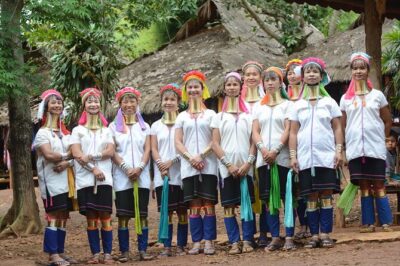
You’ll likely have a similar experience at the White Karen hilltribe village later, but with more emphasis on coffee rather than craft shopping.

White Karen Coffee Plantation: A Tasting That Actually Feels Like Learning
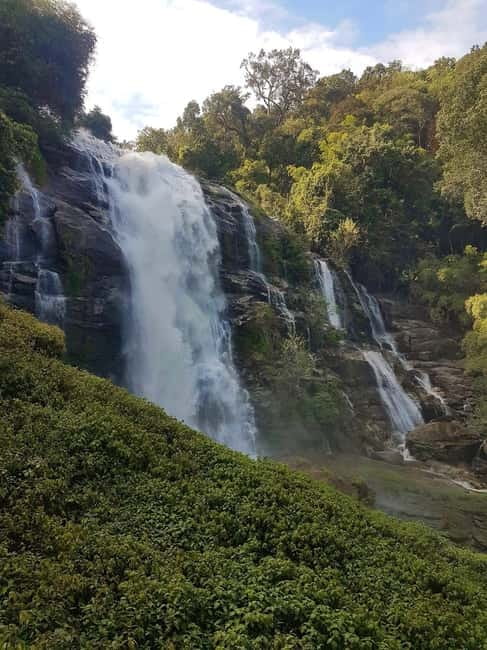
One of the most memorable stops is the coffee part. The tour visits a coffee plantation connected with the White Karen community. You’ll see the process and then get a freshly brewed cup.
I like this stop because it’s practical. Coffee isn’t just a beverage here; it’s a local product with a real workflow behind it. Even if you’re not a coffee super-fan, the tasting helps you connect the dots: where it grows, how it’s handled, and why the final cup tastes the way it does.
If you’re the kind of person who likes food experiences, this is a strong moment in the day. And if you’re not, at least treat it as a cultural segment with a clear purpose.
Tip: if you’re sensitive to caffeine, keep an eye on your intake. You’ll be out walking and sightseeing afterward, so pace the drink rather than pounding it.
Waterfalls at Sirithan and Wachirathan: The Afternoon Payoff
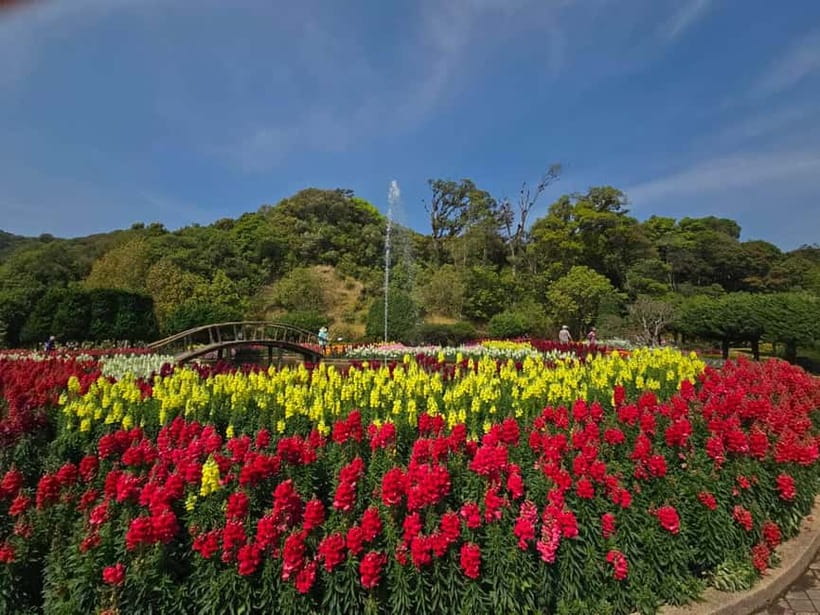
The afternoon includes stops at Sirithan and Wachirathan Waterfalls. This is where Doi Inthanon earns its reputation. Waterfalls are loud, wet, and visually dramatic in a way that photos don’t fully capture.
You should be prepared for one key reality: you’re not in full control of nature. In at least one case, the plan for two falls included one fully open waterfall while the other was closed. That doesn’t mean the tour is a disappointment. It means you should judge it by the experience you get on the day you go.
When you arrive at the falls:
- Walk to viewpoints if you can do it safely. Don’t strain for the perfect shot.
- Bring insect repellent if you get bothered by bugs near water.
- Expect spray and damp ground. Shoes matter.
Also, waterfalls can turn a long day into a shorter one. One strong waterfall moment resets your energy. It’s the kind of stop that makes the early start feel worth it.
Lunch and Group Pace: Why Small Size Helps
Lunch is included at a local restaurant. In the reviews, people mention it as a positive part of the day, with good portions and refills. That matters because a smooth meal break keeps your energy steady for the drive back.
Pacing is a theme here. Many reviews say the timing feels right—nice stops, not constant rushing. A few notes mention moments that felt a bit rushed or information that wasn’t as deep as expected at certain spots.
Here’s how I’d interpret that as a reader: this tour is designed to cover a lot in a single day, so you may move through some areas quickly even with a great guide. If you love slow travel, you might wish for more time at just one or two highlights. If you want a strong “best-of” sampler, this format usually works.
Your guide makes a difference too. Reviews highlighted guides like Paul, Dum, Tae, Sarah, Don, and Tommy, with compliments for energy, safety, and spot selection. Many also mentioned that guides explain plants, animals, and Thai culture along the way—exactly the kind of added context that turns a photo day into a “memory day.”
What to Pack for Doi Inthanon’s Cooler Air
The tour checklist is practical, and you should follow it. At altitude, comfort changes fast.
Bring:
- Jacket or long-sleeve shirt (temperatures drop)
- Hiking shoes
- Insect repellent
- Hat and sunglasses
- Sunscreen
- Camera
- Drinking water is provided, but you can also bring a small extra bottle if you like
One more small thing: keep your daybag organized. With multiple stops and quick transitions, you don’t want your jacket at the bottom of a messy pile when the temperature drops.
Value Check: Is This $61 One-Day Tour Worth It?
At $61 per person for a full-day outing, this is best understood as an “all-in convenience” deal, not a luxury experience.
What you get that typically costs extra if you DIY:
- Round-trip transfer from Chiang Mai
- English-speaking guide
- Lunch
- All entrance fees
- Insurance
- Drinking water
The biggest value is not just the sights. It’s the logistics. Driving to Doi Inthanon and coordinating the sequence of stops (highest peak area, pagodas, markets, waterfalls) takes time and planning. This tour bundles that into one organized day with a guide to explain what you’re seeing.
So is it a steal? It’s priced reasonably for the amount of coverage. If you’re hoping for a slow, highly tailored private experience, you might find it too packed. If you want a solid, curated best-of day that includes both scenery and culture, the value is strong.
Who Should Book This Tour (and Who Might Want Something Else)
This works especially well for:
- You want a one-day Doi Inthanon highlights plan without renting a vehicle.
- You like a mix of nature + culture (waterfalls, pagodas, markets, coffee).
- You prefer a small group where it’s easier to ask questions and learn.
It may be less ideal if:
- You strongly dislike market-style stops (they can lean sales-heavy in places).
- You want lots of downtime or extended hikes.
- You need wheelchair accessibility (this tour isn’t suitable for wheelchair users).
If you’re a “show me the wow moments” type of traveler, you’ll probably leave happy. You’ll see the highest peak area, major waterfalls, and two pagoda spots in the same day—without spending hours thinking about routes and timing.
Should You Book This Tour?
If you’re visiting Chiang Mai and only have one day to spare, I’d book it. Doi Inthanon is one of those places where one day can still feel like a big change of world—cooler air, cloud-wrapped views, and waterfall drama.
My decision checklist:
- If you’re okay with an early start and a full day on the road, this is a great use of time.
- If you bring layers and good walking shoes, you’ll enjoy the higher-altitude stops more.
- If you want optional slow wandering, you might feel slightly time-pressured at certain stops, but you’ll still hit the main highlights.
Book it when you want coverage and convenience. Pass or consider an alternative if you want total freedom and long stays in just one spot.
FAQ
How long is the Doi Inthanon day tour from Chiang Mai?
It’s a one-day tour.
What time does the tour start?
Hotel pickup (if available) is between 8:00 AM and 8:30 AM.
Where is the meeting point?
The meeting point is Baan Meesuk in Chiang Mai’s old town.
What’s included in the price?
The tour includes round-trip transfer, insurance, lunch, all entrance fees, drinking water, and an English-speaking guide.
What are the main activities on the tour?
You’ll visit Thailand’s highest peak area, walk the Ang Ga trail, see the King’s and Queen’s Pagodas, visit hilltribe markets/villages, enjoy a fresh coffee tasting, and stop at Sirithan and Wachirathan waterfalls.
What should I bring for this trip?
Bring sunglasses, a hat, a camera, hiking shoes, sunscreen, sunscreen, a jacket for cooler high-altitude temperatures, and insect repellent.
Can I get a refund if my plans change?
Yes. You can cancel up to 24 hours in advance for a full refund.