REVIEW · MUANG CHIANG MAI
Chiang Mai: Evening Chanting & Meditation
Book on GetYourGuide →Operated by Journey D Travel · Bookable on GetYourGuide
A monk-led night can feel like a reset. In Chiang Mai, this 3-hour evening chanting and meditation session gives you a front-row seat to a living Buddhist ritual at Wat Chai Sri Phoom, complete with guided silence and Metta compassion practice.
I love two things most: the way the monk chanting lands in your body (yes, you really feel the rhythm), and the chance to ask questions afterward—especially with guides who have real monastic experience, like Son, an ex-monk of 13 years.
One consideration: this is a temple practice, not a performance, so you’ll need to follow etiquette closely—modest dress, no flash photos, silence your phone, and expect chanting and meditation in a style that isn’t tailored into a running English commentary.
In This Review
- Key things to know before you go
- Where Wat Chai Sri Phoom Fits Into a Chiang Mai Night
- Meeting Point at Wat Lok Moli and the 3-Hour Timing
- The Monk Chanting Ritual: Words You Hear and Rhythm You Feel
- Guided Meditation for 15 Quiet Minutes
- Metta Practice: Turning Compassion Into Simple Wishes
- Senior Monk Guidance and Long Q&A Time
- Temple Etiquette That Keeps the Night Smooth
- Price and Value: Why $20 Can Be More Than a Ticket
- Who This Experience Is For (and Who Might Want Something Else)
- Practical Tips to Make Your Night Feel Worth It
- Should You Book This Chiang Mai Evening Chanting & Meditation?
- FAQ
- How long is the Chiang Mai evening chanting and meditation experience?
- What’s included for the $20 price?
- Where do I meet the guide?
- Do I need to arrange transportation to the temple?
- Are there restrictions on photos or smoking?
- Is this suitable for children or mobility needs?
Key things to know before you go
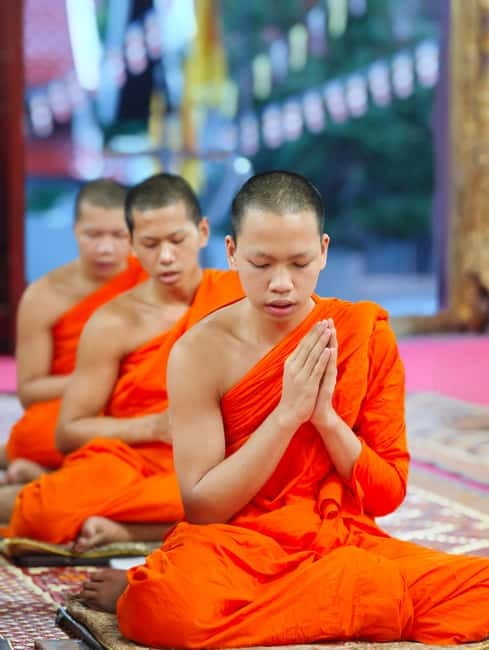
- Chanting that you can feel: the group ritual carries a steady vibration that makes stillness easier
- Metta practice with real focus: you’ll extend heartfelt wishes to loved ones, those who passed, and all beings
- A short, guided meditation: 15 minutes of silence with help to quiet the mind
- Q&A that can run long: many people leave with answers, thanks to time with the monks and your guide
- Guide experience matters: ex-monk guides like Son (13 years) help translate philosophy into everyday life
- Temple rules are strict: no smoking and no flash photography, plus modest clothing and phone silence
Where Wat Chai Sri Phoom Fits Into a Chiang Mai Night
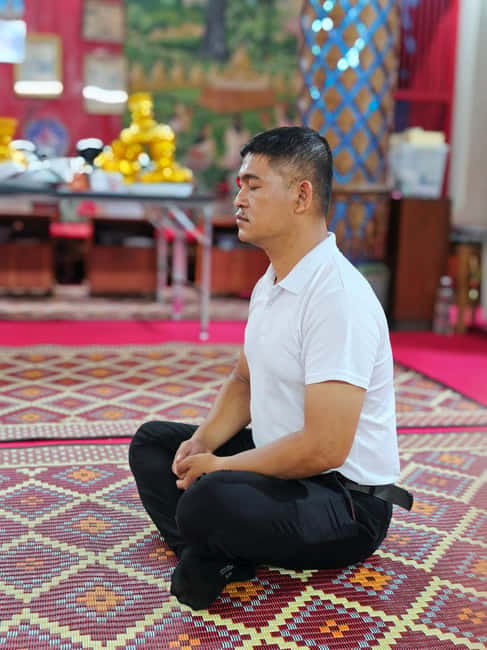
Chiang Mai can move fast—markets, scooters, tours, food runs, and late-night browsing. This experience gives you a clear off-switch. You’re heading into a temple space where the evening ritual is the main event, and your job is to show up calmly and participate.
Wat Chai Sri Phoom is the heart of it. You’ll join chanting with resident monks, then shift into guided meditation and compassion practice. If you’ve wanted a Buddhism experience that isn’t just sightseeing, this is the kind that changes your pace.
You can also read our reviews of more tours and experiences in Muang Chiang Mai.

Meeting Point at Wat Lok Moli and the 3-Hour Timing
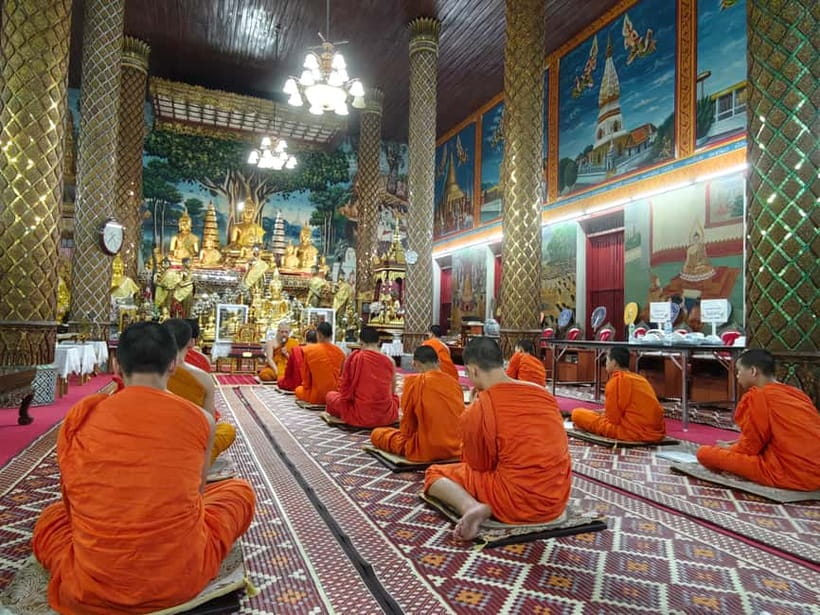
The organizer keeps things simple: it runs about 3 hours total. Your day starts at A Chef’s Tour Chiang Mai Food Tours, then the guide meets you at Wat Lok Moli (the exact spot can change). Plan to arrive early—at least 15 minutes—so you can settle in without stress.
The practice portion is structured. Chanting typically lasts 40–50 minutes, then you move into a 15-minute guided meditation. After that, there’s time for Metta practice and for guidance and questions with the monks and lay participants.
A practical note: transportation to and from Wat Chai Sri Phoom isn’t included, so build in time to get yourself there (and back) unless your booking details say otherwise for your specific departure. If you’re already staying central, it may be easy; if you’re farther out, double-check how you’ll handle the trip.
The Monk Chanting Ritual: Words You Hear and Rhythm You Feel
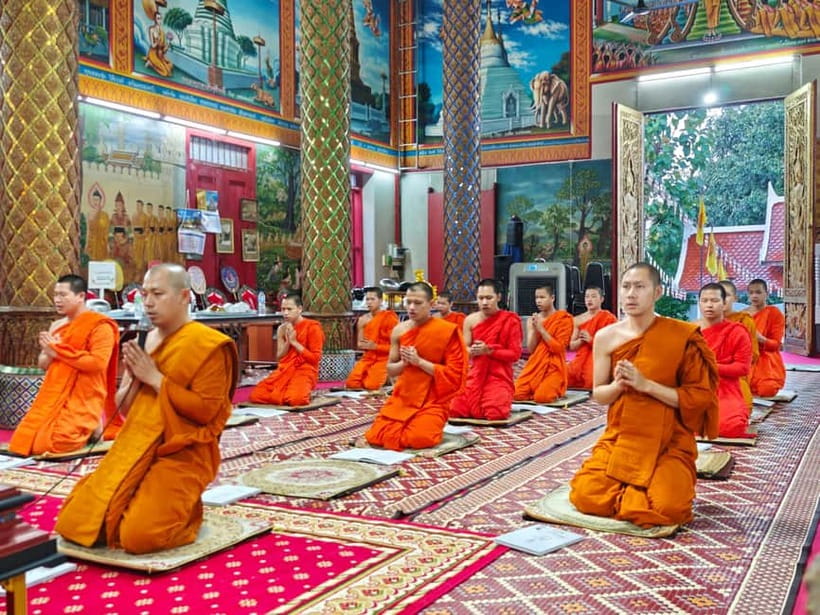
Chanting isn’t just about sound. In this setting, it’s a group rhythm that anchors attention. You’ll sit where you can listen properly and follow the flow as the monks chant sacred texts.
The best part is how physical it can feel. People describe the voices carrying through the space, creating a sense of vibration and grounding. When you close your eyes during chanting, the mind often stops sprinting—and the rhythm helps you stay present.
What you should do:
- Wear comfortable clothes that you can sit in for the duration.
- Keep your phone silent and out of the way before it starts.
- Let yourself stay with the sound, even if you don’t understand every word.
You might also notice that some chants are not given with a full line-by-line explanation in the moment. One review specifically wished for an English version of the chant, which is a good hint: don’t expect a running translation during the chanting itself. You’ll get context through your guide and later Q&A.
Guided Meditation for 15 Quiet Minutes
After the chanting fades, the session gently lowers the volume—literally. You’ll transition into a 15-minute guided silent meditation with support from the instruction given at the start.
This is a real “practice” moment, not a lecture. The goal isn’t to force blankness; it’s to quiet the inner chatter enough that stillness feels reachable. If you’ve tried meditating on your own and it felt awkward, this guided structure is a friendly entry point.
Practical expectations:
- You’ll be asked to sit and follow guidance, then let silence do its work.
- If thoughts pop up, you’re not failing—you’re learning to notice.
- Since it’s only 15 minutes, it’s a good trial run without turning the night into a marathon.
One small detail that matters: if you’re prone to discomfort while sitting, wear clothes that allow you to stay relaxed. The tour isn’t suitable for people with back problems, so be honest with yourself about what sitting still will feel like.
Metta Practice: Turning Compassion Into Simple Wishes
Then comes Metta, often the part people remember most clearly. Metta is about extending goodwill—so instead of thinking about the world as something outside you, you practice sending warmth outward.
You’ll be guided to extend heartfelt wishes to:
- loved ones
- those who have passed
- all beings
This isn’t just a sentimental exercise. In Buddhist practice, Metta trains the mind to replace harshness with steadiness. You’re not asked to solve life. You’re asked to practice a kinder emotional tone, and do it in a focused way.
If you’re the type who likes meditation but finds it too abstract, Metta tends to feel more human. It gives you something concrete to do—wish well—so your attention has rails.
Senior Monk Guidance and Long Q&A Time
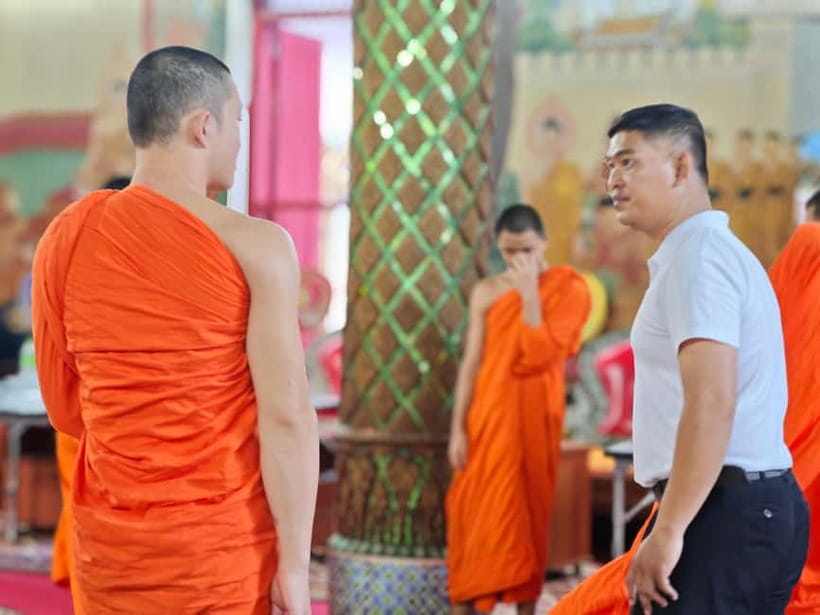
After meditation and Metta, the night shifts again: wisdom from the people living the practice. You’ll listen to guidance from senior monks and lay practitioners, with a sense that questions are welcome rather than interruptive.
This is also where the guide can make the whole experience click. A recurring highlight in feedback is that the guides aren’t just reading scripts—they’re teaching from lived experience. Son, for example, is described as an ex-monk for 13 years, and many people praised how clearly he explained Buddhist philosophy and how it connects to everyday life.
In several cases, monks and guides stayed afterward to answer questions. That’s a big part of the value: you get time to ask what you actually care about. You might ask things like:
- How do these practices fit into daily routines?
- What does Metta look like when life gets stressful?
- How should a beginner approach meditation without forcing it?
One more useful tidbit: if you’re curious about Buddhism, try to come with at least one real question. The structure is flexible enough that your curiosity can lead the conversation.
Temple Etiquette That Keeps the Night Smooth
This is a temple setting, so you’ll need to follow the house rules. They’re not there to be annoying—they protect the calm and respect the monks’ space.
The key do’s and don’ts you should plan around:
- Dress modestly to respect temple traditions
- Bring water
- Keep mobile devices silent before the session begins
- No smoking
- No flash photography
Also note: this isn’t suitable for everyone. It’s not recommended for children under 10, and it’s not suitable for wheelchair users or people with back problems. If you’re traveling with family, double-check ages early rather than assuming it’ll work out.
If you’re traveling solo, this kind of etiquette can actually be comforting. It tells you exactly how to behave, so you can focus on the practice instead of wondering what’s expected.
Price and Value: Why $20 Can Be More Than a Ticket
The price is $20 per person for about 3 hours, including chanting with monks, guided meditation, and insights into Buddhist philosophy and practices. On paper, that’s simple. In real life, the value comes from access to a structured ritual and a chance to ask questions afterward.
What you’re paying for:
- Guided participation in chanting (not just watching)
- A short meditation that starts with instruction
- Metta practice that gives meaning to the evening
- Time with monks and guides who can answer questions clearly
What you’re not paying for matters, too. Meals and beverages aren’t included, and transportation isn’t included. So if you’re doing this in the evening, plan a light dinner earlier or budget for something afterward. If you’re coming from farther away, factor in transit cost and time.
The provider listed is Journey D Travel. You’ll typically be working with an English/Thai guide, and some of the most praised nights involved ex-monks or long-time practitioners who translate the practice into plain language.
Who This Experience Is For (and Who Might Want Something Else)
This is a strong fit if you want:
- a calm Buddhist experience that’s participatory
- a structured way to try guided meditation
- philosophy explained through practice, not just theory
- a chance to ask questions in a respectful setting
It’s less of a fit if you’re expecting something like a dance show, a storytelling performance, or heavy entertainment. This is about quiet attention and compassion training. If your ideal Chiang Mai night is loud and social, you might find this too restrained.
It also may not work for physical reasons. The session’s sitting portion and temple environment mean it’s not suitable for wheelchair users and not for people with back problems. And it’s not designed for kids under 10.
Practical Tips to Make Your Night Feel Worth It
If you want the experience to land well, treat it like a mini retreat—even if you’re only there for a few hours.
A few tips that help:
- Show up early so you’re not rushing your body into the sitting portion.
- Wear layers if evenings feel cool; temples can be breezy.
- Bring water, and consider whether you want a small snack earlier in the day since meals aren’t included.
- Prepare one question for the guide or monks. It’s amazing how much you can learn from one good prompt.
- Don’t bring the expectation of constant English translation during chanting. Use the guide’s explanations and the Q&A time afterward.
If you’re sensitive to sensory experiences (sound, chanting volume), start by focusing on your breathing. The guide’s instruction during meditation will also help you settle.
Should You Book This Chiang Mai Evening Chanting & Meditation?
Book it if you want a real evening practice with monks—chanting, guided silence, and Metta—and you like learning directly from people who’ve lived the tradition. The consistent standout is the human element: ex-monk guides like Son (13 years) and the chance to ask questions, with monks often staying afterward.
Skip it if you need full accessibility support, you have significant back issues, or you’re traveling with young children under 10. Also skip if you’d be uncomfortable in a setting that asks for modest dress, silent phones, no flash photography, and a calm tone throughout.
If you’re deciding last minute, it helps to know you can cancel up to 24 hours in advance for a full refund, and the booking offers a reserve now & pay later option. That gives you flexibility if your evening plans shift.
Overall, this is one of those Chiang Mai nights that doesn’t just fill time. It changes your tempo—and it gives you a compassionate practice you can carry home.
FAQ
How long is the Chiang Mai evening chanting and meditation experience?
It lasts about 3 hours. The chanting portion typically runs 40–50 minutes, followed by a 15-minute guided meditation.
What’s included for the $20 price?
You’ll get the chanting experience with monks, a guided meditation session, and insights into Buddhist philosophy and practices.
Where do I meet the guide?
The guide waits in front of Wat Lok Moli. The location may be subject to change, so plan to confirm the exact spot with your booking details.
Do I need to arrange transportation to the temple?
Transportation to and from Wat Chai Sri Phoom is not included, so you’ll need to handle getting there yourself.
Are there restrictions on photos or smoking?
Smoking is not allowed, and flash photography is not allowed.
Is this suitable for children or mobility needs?
It is not suitable for children under 10. It’s also not suitable for wheelchair users or people with back problems.